stem cell therapy
What are stem cells?
It is said that there are approximately 37 trillion to 60 trillion cells in the human body. The origin of all these cells is the "stem cell." Stem cells have a variety of functions, including "multi-cellular potential," "self-renewal potential," "homing effect," and "paracrine effect."
multipotent
This is the ability to change (differentiate) into various cells that make up our bodies, such as skin, red blood cells, platelets, etc. This ability allows stem cells to differentiate into cells needed in the body (cartilage, skin, nerve cells, etc.), supporting the repair and regeneration of tissues.
self-replication ability
This is the ability to divide into cells with the exact same abilities as the patient. Stem cells can divide and create new stem cells that are identical to the patient. This ability makes it possible to grow stem cells in large quantities in a culture lab.
Homing effect
Stem cells have the property of migrating to a specific location. They are guided to a specific target location by an SOS signal. An SOS signal is sent from an injured area, and stem cells receive it and gather in the bloodstream at the injured area. This property makes it possible to provide effective stem cell therapy to the damaged area.
Paracrine effect
This means that the various cytokines and growth factors secreted by stem cells act on surrounding cells, promoting cell repair, proliferation, and the suppression of inflammation.
What are adipose tissue-derived stem cells?
Adipose tissue-derived stem cells are a type of stem cell that is harvested from the body's adipose tissue. They are classified as "mesenchymal stem cells (MSCs)," which have a particularly high regenerative capacity among stem cells and can differentiate into a variety of cells.
Adipose tissue is rich in stem cells compared to bone marrow, and its collection is characterized by low physical burden. Because high-quality stem cells can be efficiently obtained by simply collecting a small amount of fat, it has been increasingly applied in a wide range of fields in recent years, including cosmetic medicine, orthopedics, and gynecology.
Stem cells have a wide range of functions, including repairing damaged tissue, suppressing inflammation, and promoting angiogenesis, and are attracting attention as a means to greatly expand the possibilities of regenerative medicine.

Stem Cell Therapy
Stem cells do not simply become new cells; they act in the body in various ways, restoring balance, drawing out our own body's innate "power to heal," and promoting the repair of damaged tissue and recovery of function.
1.Anti-inflammatory effect
Mesenchymal stem cells have an anti-inflammatory effect and are expected to be effective in reducing pain and swelling. This is thought to be because the various factors (cytokines) secreted by mesenchymal stem cells have the effect of suppressing excessive immune responses that cause inflammation.
2. Tissue regeneration, protection and repair
Stem cells have the function of instructing tissues to form new blood vessels, promoting cell proliferation, and protecting weakened cells.
3.Immune regulation effect
Stem cells have an immunomodulatory effect, suppressing the activity of cells that cause inflammation (Th1 cells) while promoting the activity of cells that suppress inflammation (Treg cells). This is expected to reduce chronic inflammation and may play a role in balancing the immune system in autoimmune and allergic diseases.
Symptoms and problems that can be improved with stem cell therapy
Stem cell therapy utilizes the regenerative abilities of stem cells to repair and regenerate damaged tissues throughout the body.
Cerebrovascular disease and sequelae
Visceral diseases
Joint Rejuvenation
skin diseases
Boost your immunity
autoimmune disease
pain
Diabetes/lifestyle related diseases
Rejuvenation of blood vessels
Thinning hair/hair loss
Allergic diseases
Menopause
Flail
Skin Regeneration

cerebral infarction
Cerebral contusion
Spinal cord injury
Multiple sclerosis
Hypoxic-ischemic encephalopathy
Parkinson's disease
Alzheimer's disease
ALS (amyotrophic lateral sclerosis)
Polio (polio)
Peripheral neuropathy
chronic pain
Knee osteoarthritis
tendon injury
arthritis
Refractory fractures
Palmoplantar pustulosis
Atopic dermatitis
Acne scars
vitiligo
AGA (androgenic alopecia)
Other types of alopecia
Myocardial infarction, angina
arteriosclerosis
Peripheral Arterial Disease
diabetes
Chronic kidney disease
Liver disease (hepatitis, cirrhosis, liver damage, etc.)
Primary biliary cirrhosis
Emphysema
Pulmonary fibrosis
Chronic obstructive pulmonary disease
Autoimmune diseases (rheumatoid arthritis, systemic lupus erythematosus, etc.)
Graft-versus-host disease (GVHD)
Women's Menopause
Male menopause
Benign prostatic hyperplasia
Erectile dysfunction
urinary incontinence
Bone defects
Osteoporosis
Periodontal disease
After breast cancer surgery (breast reconstruction)
Breast Augmentation
Anti-aging medicine (rejuvenation of skin, blood vessels, etc.)
COVID-19 infection
Aftereffects of COVID-19
At our hospital, we can treat the following conditions using adipose tissue-derived mesenchymal stem cells: endometrium, wrinkles and age spots (age-related changes in the skin), osteoarthritis, and pain (chronic pain).
Project number: "Treatment for endometrial regeneration failure using autologous adipose tissue-derived mesenchymal stem cells"
Project number: "Treatment using autologous adipose-derived stem cells for age-related changes in the skin, such as wrinkles and sagging skin"
Project number: "Treatment for osteoarthritis using autologous adipose-derived stem cells"
Project number: "Treatment for chronic pain using autologous adipose-derived stem cells"


Flow of stem cell therapy
1. Doctor's examination and counseling
2. Blood Tests
When you start treatment, a blood test will be done.
Blood samples can be taken on the day of your appointment.
*Please let us know if you would like to attend on a different day.
3. Collection of adipose tissue and blood sampling *1 week after blood test
Fat cells are harvested (under anesthesia).
We will also collect blood to be used for stem cell culture.
4. Stem cell culture *This takes about 2 months
Under a sophisticated management system that meets the standards of the Ministry of Health, Labor and Welfare, we separate and culture the adipose tissue we receive at our cell culture processing facility.
5. Stem cell therapy (administration)
We will contact you to schedule the administration date. The cultured stem cells will then be returned to the body.
6. Follow-up
We will conduct examinations 1, 3, 6, and 12 months after the administration of stem cells to check whether the treatment is safe and effective. If necessary, we will conduct tests using various testing equipment.
Medical institutions that have acquired the "Type 2 Regenerative Medicine Provision Plan Number"
Regenerative medicine using stem cells is subject to rigorous screening for suitability by the Specific Certified Regenerative Medicine Committee, which is certified by the Ministry of Health, Labour and Welfare. Treatment can only be performed if a treatment plan is submitted to the Ministry of Health, Labour and Welfare and a plan number is obtained after the procedure is deemed appropriate.
GINZA NOA CLINIC has gone through the proper process to report to the Ministry of Health, Labor and Welfare:
We have submitted a "Type 2 Regenerative Medicine Provision Plan" and obtained a plan number.

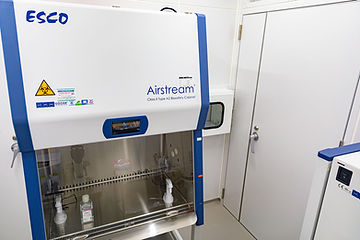
Cell Processing Center (CPC) within the hospital
In order to create an environment for culturing and administering high-quality stem cells in stem cell therapy, our clinic has an on-site cell culture processing center (GINZA NOA CLINIC CPC). The CPC is a dedicated clean room that maintains the necessary level of cleanliness for culturing cells. Dedicated cell culture technicians are responsible for culturing and managing the precious cells entrusted to us by patients, right up to the final cell testing.
Our CPC has been assigned a facility number (FC3250034) by the Ministry of Health, Labour and Welfare in accordance with the Act on Ensuring the Safety of Regenerative Medicine, etc.
Treatment in a private room
Treatment is carried out in a private room to ensure patient privacy.


Risks and Side Effects
side effects
Because stem cell therapy uses the patient's own cells (autologous cells), the risk of rejection or serious side effects is considered to be extremely low.
Possible side effects that have been reported include the following:
● Swelling, redness, and pain at the injection site ● Temporary fever and fatigue ● Allergic reaction ● Changes in physical condition such as headache, dizziness, and nausea
If you have any concerns or changes in your physical condition, please consult your doctor immediately. Our clinic provides safe and secure regenerative medicine through pre-treatment counseling and follow-up after treatment.
About this treatment
Unapproved drugs, etc.: The drugs used in this treatment are unapproved drugs that have not been approved under the Pharmaceuticals and Medical Devices Act.
Acquisition route, etc.: This drug is dispensed legally in-house (with some outsourcing).
Availability of other drugs approved in Japan: There are no other drugs approved in Japan with the same ingredients or properties.
Information on safety in other countries: No significant safety issues have been reported in other countries.
These products are not eligible for relief under the Pharmaceutical Adverse Reaction Relief System or the Biological Product Infection Relief System.
Pricing & Plans
This treatment is an elective medical treatment. Since elective medical treatment is not covered by the public insurance system, you will be responsible for all medical expenses.
For patients overseas
If patients residing overseas wish to visit our hospital for medical examination or consultation, in order to ensure smooth and safe medical treatment, as a general rule, they will be asked to complete the procedures through a medical coordination company.
There are separate fees for those coming to Japan from overseas for treatment.
For more information, please contact our International Department.